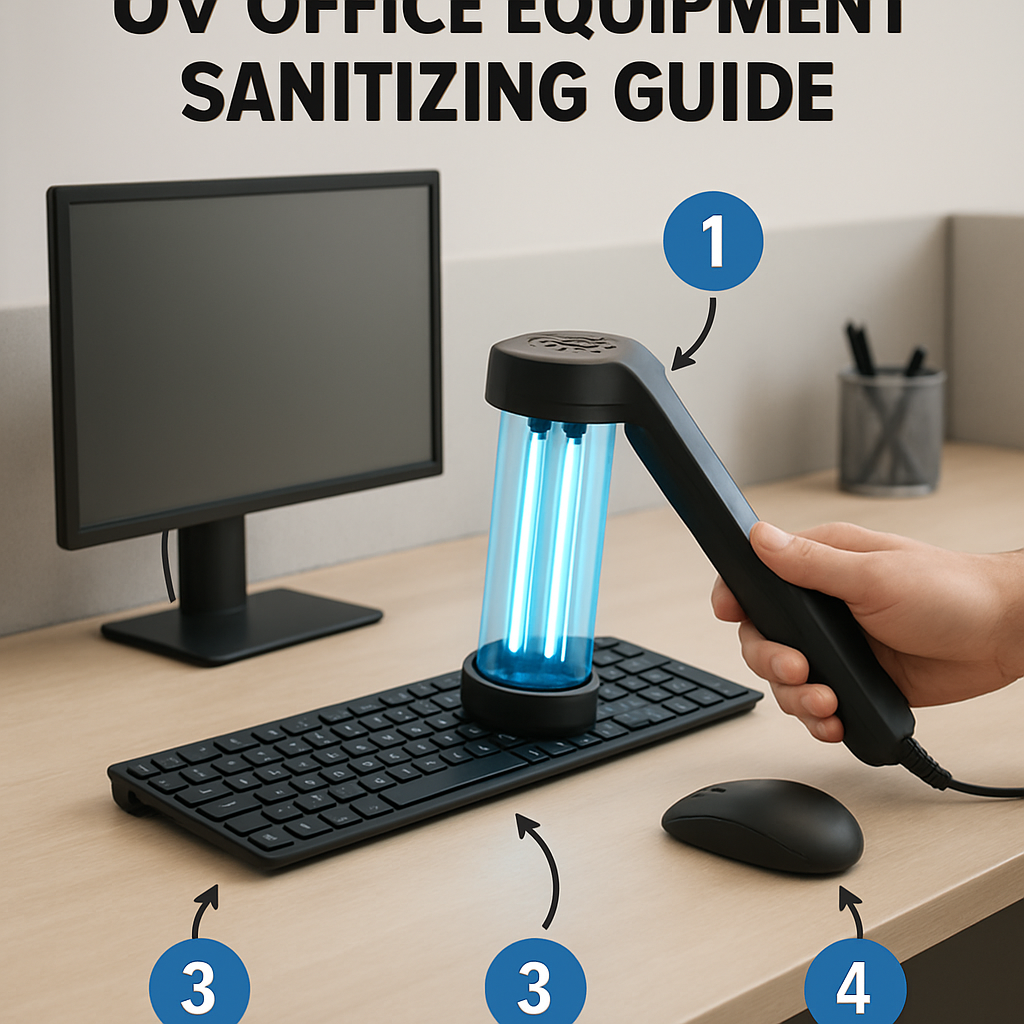
Sanitizing Cycle Routine: office hygiene check 1
Sanitizing Cycle Routine matters because UV sanitizing devices work best when they match the real object, the real user, and the real office routine. A practical setup should make cleaning feel safe, visible, and repeatable instead of mysterious.
This page supports the main UV office equipment guide and points to the LeStallion product shortlist for product comparisons after the workflow is clear.
For office equipment, start by deciding what gets wiped, what can be placed in a chamber, who runs the cycle, and where the clean item waits afterward. A simple process matters because busy offices abandon tools that create uncertainty.
Also check the awkward details: whether the lid closes around the item, whether status lights are visible from the desk, whether cables or cases block exposure, and whether the person using it understands when the cycle is complete.
- Confirm fit before buying.
- Use enclosed UV-C and clear status indicators.
- Keep shared equipment rules simple.
Sanitizing Cycle Routine: office hygiene check 2
Sanitizing Cycle Routine matters because UV sanitizing devices work best when they match the real object, the real user, and the real office routine. A practical setup should make cleaning feel safe, visible, and repeatable instead of mysterious.
Use this section as a practical checklist for the actual desk item, not as a promise that UV light replaces normal cleaning, hand hygiene, or manufacturer care instructions.
For office equipment, start by deciding what gets wiped, what can be placed in a chamber, who runs the cycle, and where the clean item waits afterward. A simple process matters because busy offices abandon tools that create uncertainty.
Also check the awkward details: whether the lid closes around the item, whether status lights are visible from the desk, whether cables or cases block exposure, and whether the person using it understands when the cycle is complete.
- Confirm fit before buying.
- Use enclosed UV-C and clear status indicators.
- Keep shared equipment rules simple.
Sanitizing Cycle Routine: office hygiene check 3
Sanitizing Cycle Routine matters because UV sanitizing devices work best when they match the real object, the real user, and the real office routine. A practical setup should make cleaning feel safe, visible, and repeatable instead of mysterious.
Use this section as a practical checklist for the actual desk item, not as a promise that UV light replaces normal cleaning, hand hygiene, or manufacturer care instructions.
For office equipment, start by deciding what gets wiped, what can be placed in a chamber, who runs the cycle, and where the clean item waits afterward. A simple process matters because busy offices abandon tools that create uncertainty.
Also check the awkward details: whether the lid closes around the item, whether status lights are visible from the desk, whether cables or cases block exposure, and whether the person using it understands when the cycle is complete.
- Confirm fit before buying.
- Use enclosed UV-C and clear status indicators.
- Keep shared equipment rules simple.
Sanitizing Cycle Routine: office hygiene check 4
Sanitizing Cycle Routine matters because UV sanitizing devices work best when they match the real object, the real user, and the real office routine. A practical setup should make cleaning feel safe, visible, and repeatable instead of mysterious.
Use this section as a practical checklist for the actual desk item, not as a promise that UV light replaces normal cleaning, hand hygiene, or manufacturer care instructions.
For office equipment, start by deciding what gets wiped, what can be placed in a chamber, who runs the cycle, and where the clean item waits afterward. A simple process matters because busy offices abandon tools that create uncertainty.
Also check the awkward details: whether the lid closes around the item, whether status lights are visible from the desk, whether cables or cases block exposure, and whether the person using it understands when the cycle is complete.
- Confirm fit before buying.
- Use enclosed UV-C and clear status indicators.
- Keep shared equipment rules simple.
Sanitizing Cycle Routine: office hygiene check 5
Sanitizing Cycle Routine matters because UV sanitizing devices work best when they match the real object, the real user, and the real office routine. A practical setup should make cleaning feel safe, visible, and repeatable instead of mysterious.
Use this section as a practical checklist for the actual desk item, not as a promise that UV light replaces normal cleaning, hand hygiene, or manufacturer care instructions.
For office equipment, start by deciding what gets wiped, what can be placed in a chamber, who runs the cycle, and where the clean item waits afterward. A simple process matters because busy offices abandon tools that create uncertainty.
Also check the awkward details: whether the lid closes around the item, whether status lights are visible from the desk, whether cables or cases block exposure, and whether the person using it understands when the cycle is complete.
- Confirm fit before buying.
- Use enclosed UV-C and clear status indicators.
- Keep shared equipment rules simple.
Sanitizing Cycle Routine: office hygiene check 6
Sanitizing Cycle Routine matters because UV sanitizing devices work best when they match the real object, the real user, and the real office routine. A practical setup should make cleaning feel safe, visible, and repeatable instead of mysterious.
Use this section as a practical checklist for the actual desk item, not as a promise that UV light replaces normal cleaning, hand hygiene, or manufacturer care instructions.
For office equipment, start by deciding what gets wiped, what can be placed in a chamber, who runs the cycle, and where the clean item waits afterward. A simple process matters because busy offices abandon tools that create uncertainty.
Also check the awkward details: whether the lid closes around the item, whether status lights are visible from the desk, whether cables or cases block exposure, and whether the person using it understands when the cycle is complete.
- Confirm fit before buying.
- Use enclosed UV-C and clear status indicators.
- Keep shared equipment rules simple.
Practical notes for sanitizing cycle routine
Good UV routines are boring in the best way. The item goes in, the cycle completes, the status is obvious, and the user knows where clean equipment belongs. Anything that requires too much interpretation will be skipped during busy office days.
Also remember that UV light is not a visible-cleaning tool. Dust, crumbs, oils, and sticky residue still need normal cleaning methods approved for the equipment. The sanitizer should follow that step when appropriate.
For shared workplaces, label the process in plain language: waiting to clean, cycle running, clean and ready. This prevents awkward guessing.
The best setups pair a small cleaning station with clear habits: wipes nearby, the sanitizer close to storage, and a visible landing spot for clean devices. When those pieces are missing, the UV device becomes a gadget instead of a routine.
Related reading
Return to the main UV sanitizer guide, compare options on LeStallion, or review the previous cloud page on laptop stands.